VNCPC shares RECP solutions with enterprises in Dong Nai
On the morning of June 10, 2026, at the Amata Service Center (Amata Industrial Park (IP), Dong Nai City), Amata Bien Hoa Urban Joint Stock Company successfully co-organized the Workshop on “Energy Saving, Emission Reduction and Cleaner Production” in collaboration with the Management Board of Industrial Parks and Economic Zones of Dong Nai City, the United Nations Industrial Development Organization (UNIDO), and relevant specialized units.
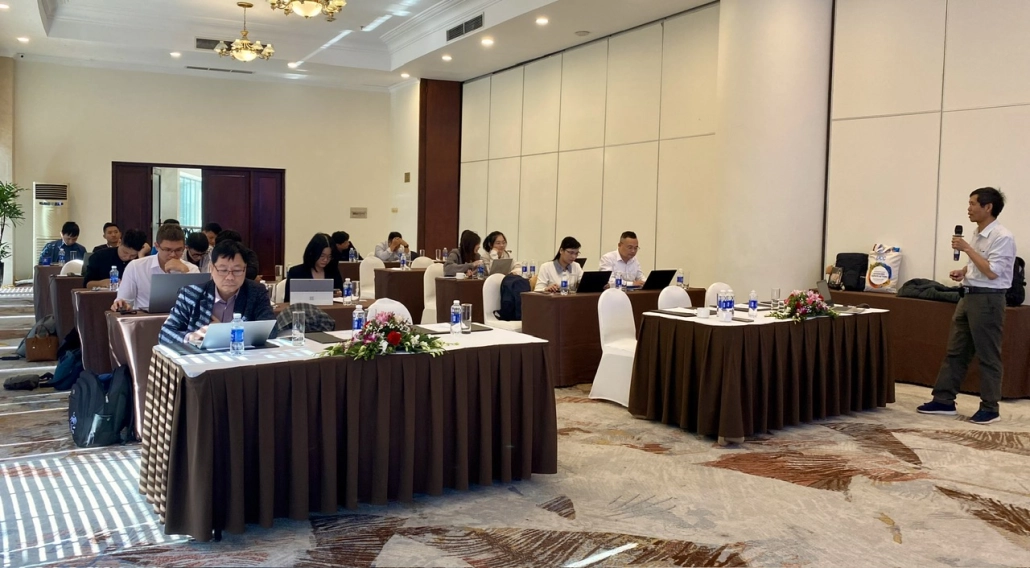
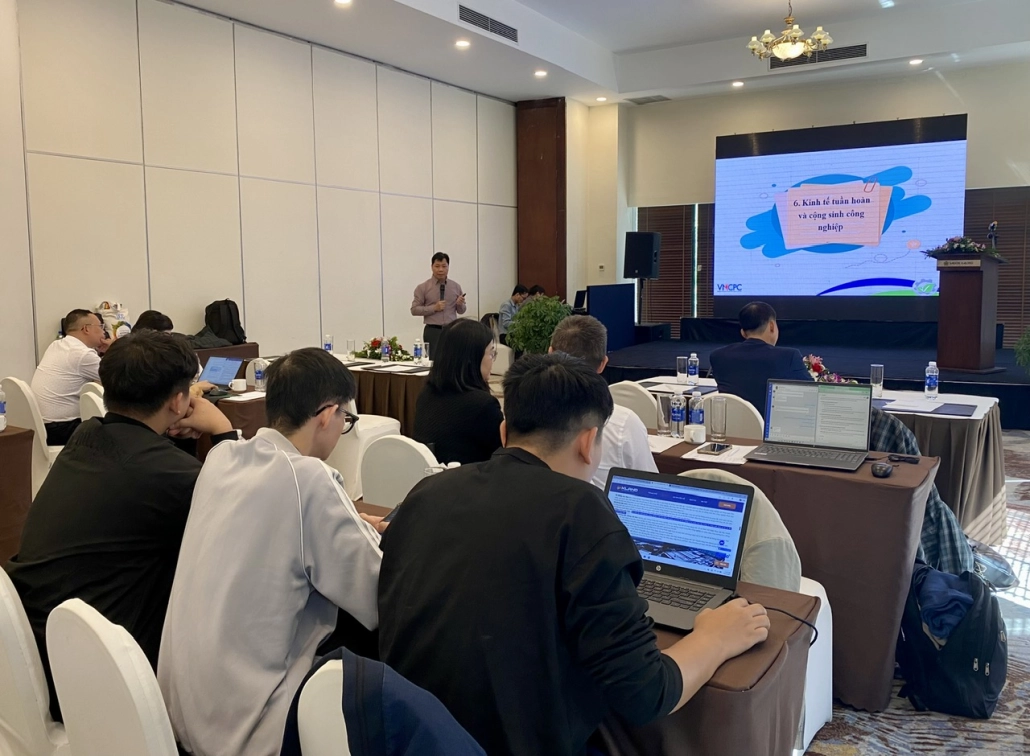
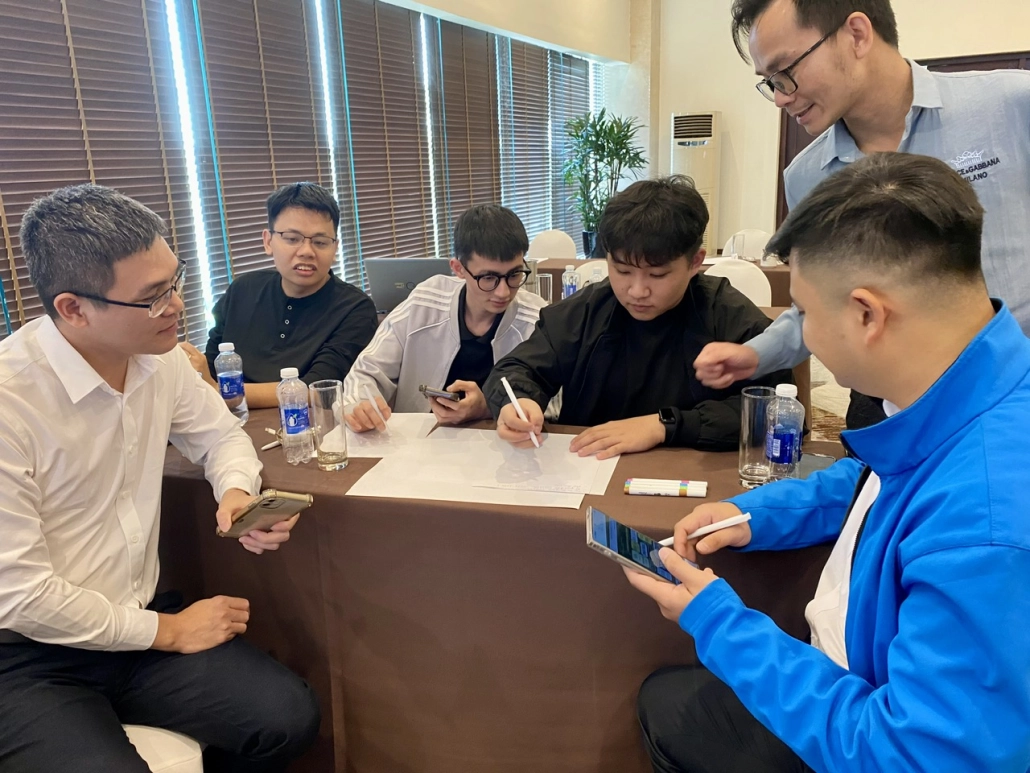
The workshop attracted more than 60 delegates from 42 enterprises operating inside and outside the Amata IP, along with representatives from regulatory agencies, technical experts, and organizations supporting businesses in the fields of environment, energy, and sustainable development.
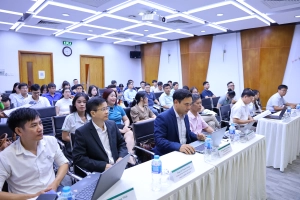
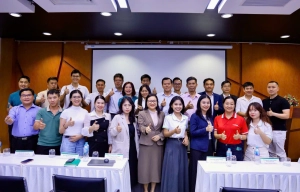
The workshop attracted more than 60 delegates from 42 enterprises operating inside and outside the Amata IP
Updating trends and new requirements for sustainable development
In the context where requirements for greenhouse gas emission reduction, efficient resource use, ESG (Environmental – Social – Governance), Net Zero, and circular economy are increasingly becoming key criteria for business operations, the workshop was organized to help enterprises stay updated on new regulations, green development trends, and practical solutions to enhance their competitiveness.
This is also one of the activities contributing to the transition roadmap of the Amata IP toward an eco-IP model, in line with the Government’s sustainable development policy and Vietnam’s Green Growth strategy.
Practical topics tailored for businesses
The workshop program featured a range of in-depth content presented by partner organizations and leading industry experts.
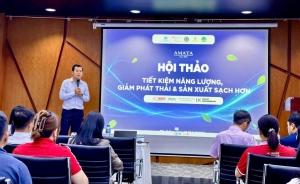
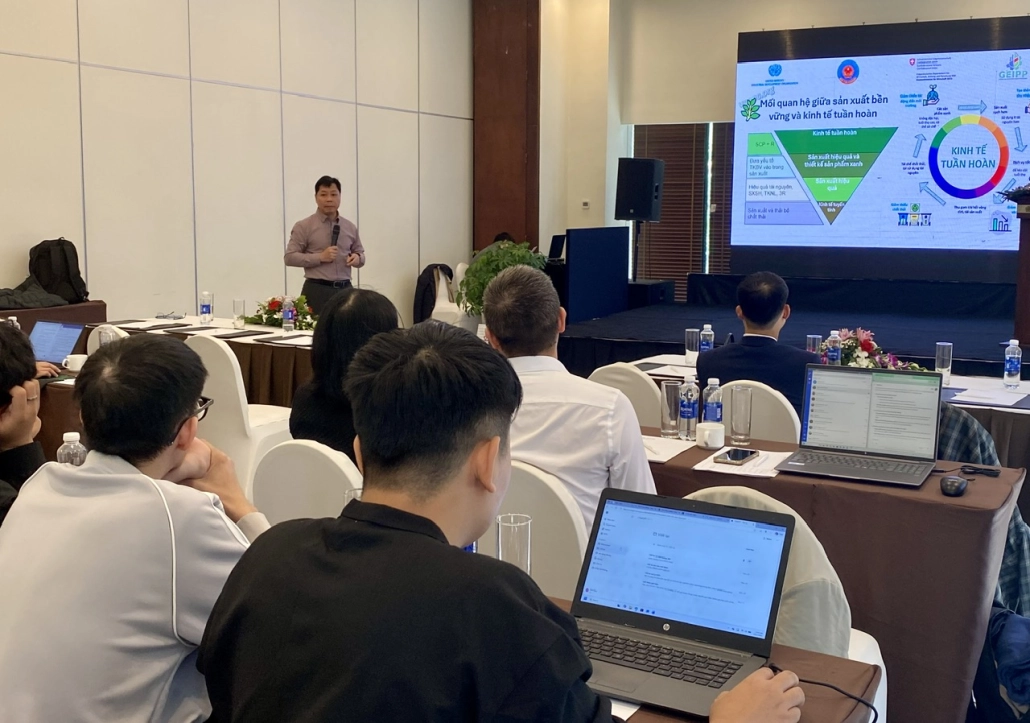
Experts provided a wealth of in-depth and practical knowledge for businesses
Key topics included:
- Roadmap for transforming existing IP into green and eco-IPs in Dong Nai;
- Co-processing technology and environmentally friendly waste treatment solutions;
- New regulations on greenhouse gas emission reduction, ozone layer protection, and refrigerant management;
- Energy management and chiller system optimization in enterprises;
- Resource Efficiency and Cleaner Production (RECP) – solutions for enhancing production capacity and sustainable development.
Through presentations by representatives from INSEE Vietnam, MZ VINA, Long Khang Engineering, and the Vietnam Cleaner Production Center Co. Ltd. (VNCPC), enterprises gained access to practical experience and proven solutions from implementations in industrial parks and manufacturing facilities.
RECP – The key to improving production efficiency and reducing emissions
At the workshop, VNCPC’s representative delivered a session on “RECP: The key to enhancing production capacity and sustainable development.” The content focused on challenges that enterprises are currently facing, including rising energy costs, increasing pressure to comply with stricter environmental regulations, and market demands for green products.
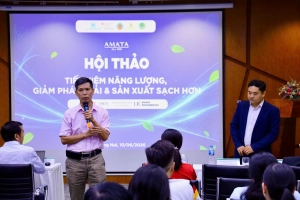
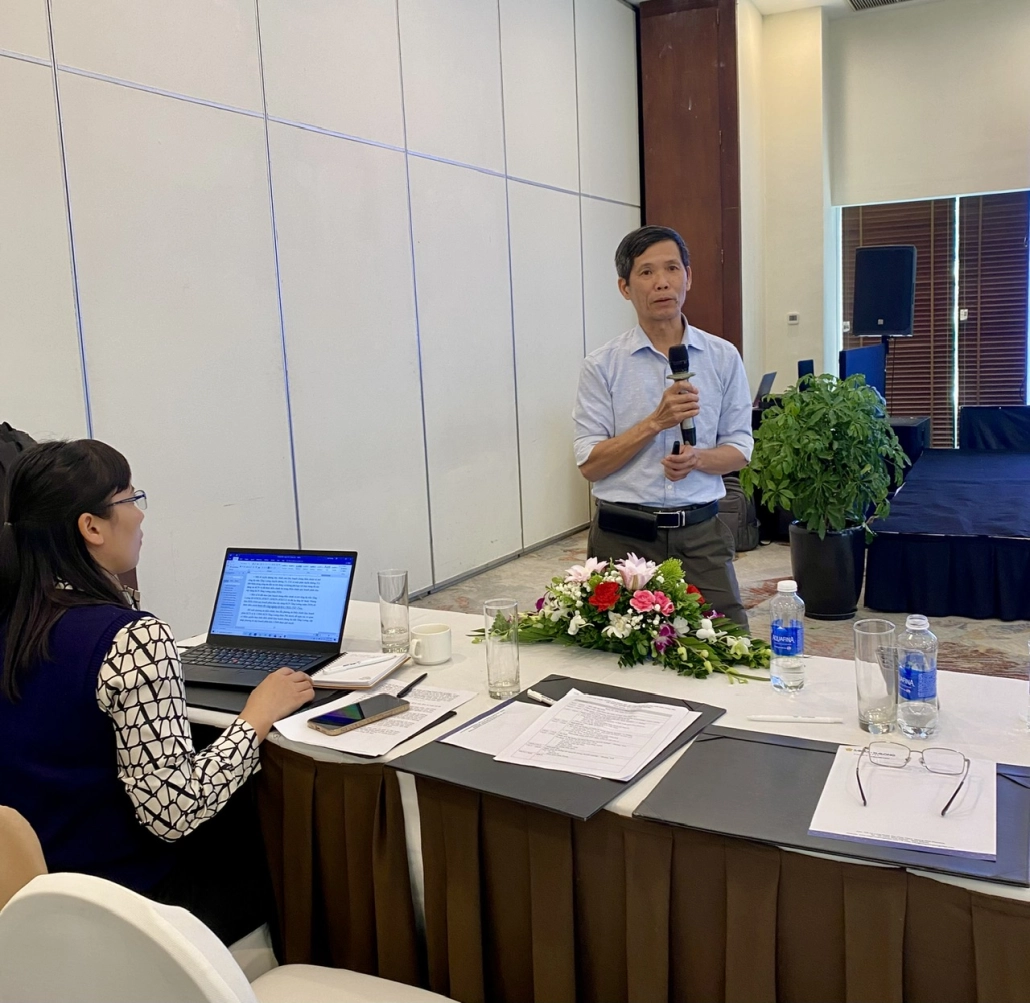
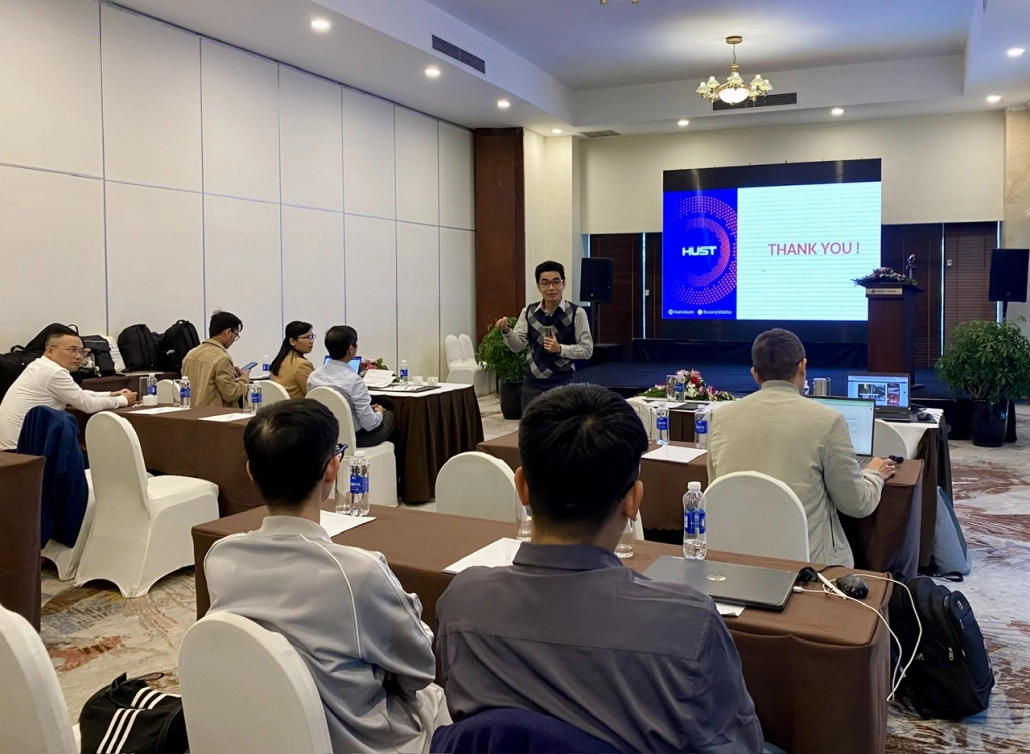
Mr. Dinh Manh Thang, senior expert from VNCPC, presenting RECP approaches
Expert Dinh Manh Thang introduced the RECP approach as a comprehensive preventive strategy aimed at improving the efficiency of raw material, water, and energy use; reducing waste generation; and minimizing environmental impacts at the source. RECP not only helps enterprises reduce production costs but also enhances their competitiveness, improves corporate image, and meets future sustainable development requirements.
In addition, real-world examples of energy savings, compressed air loss reduction, production system optimization, efficient water use, and industrial symbiosis were shared to help enterprises better visualize opportunities for improvement that can be applied directly at their facilities.
Lively discussions and sharing of practical experience
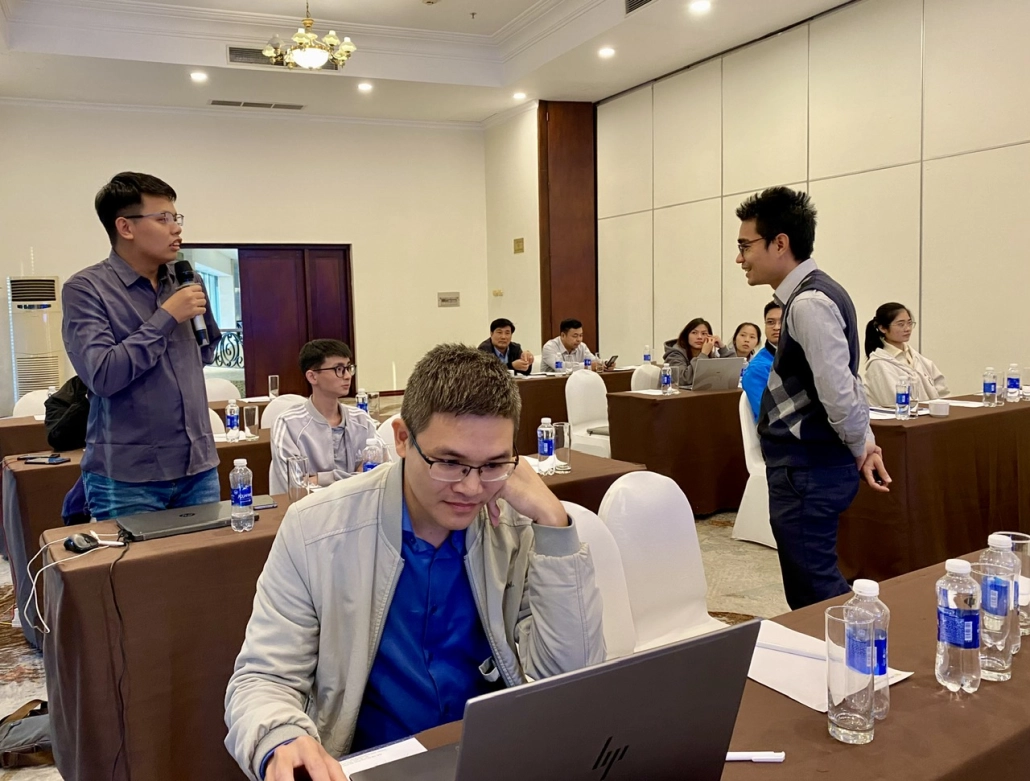
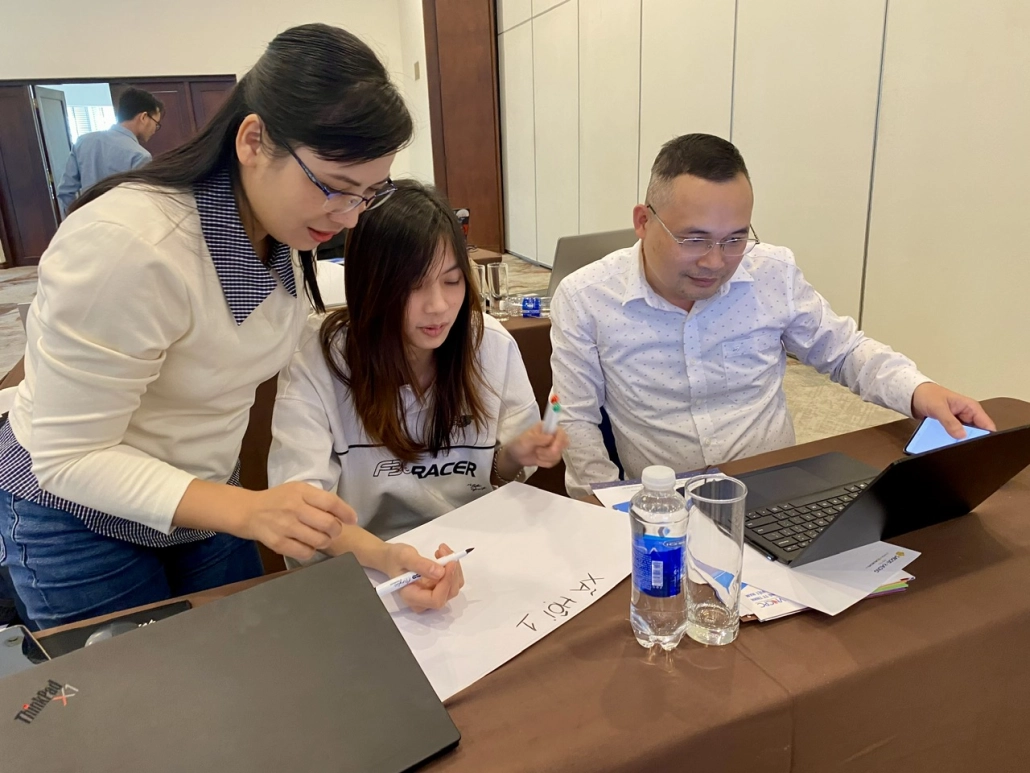
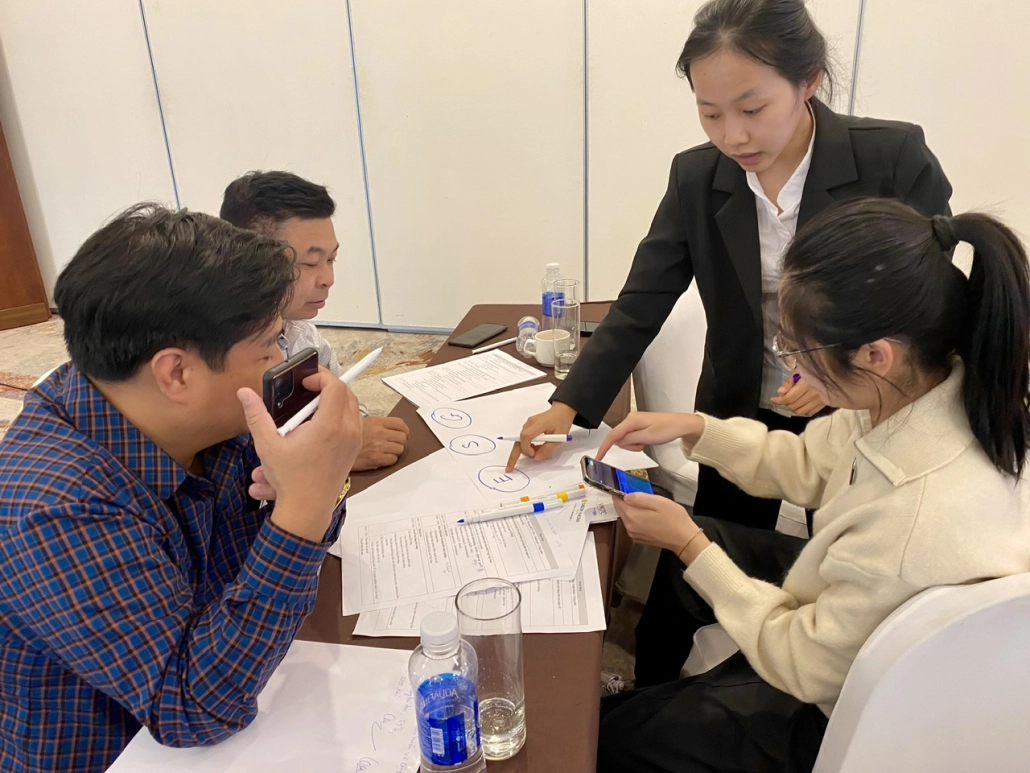
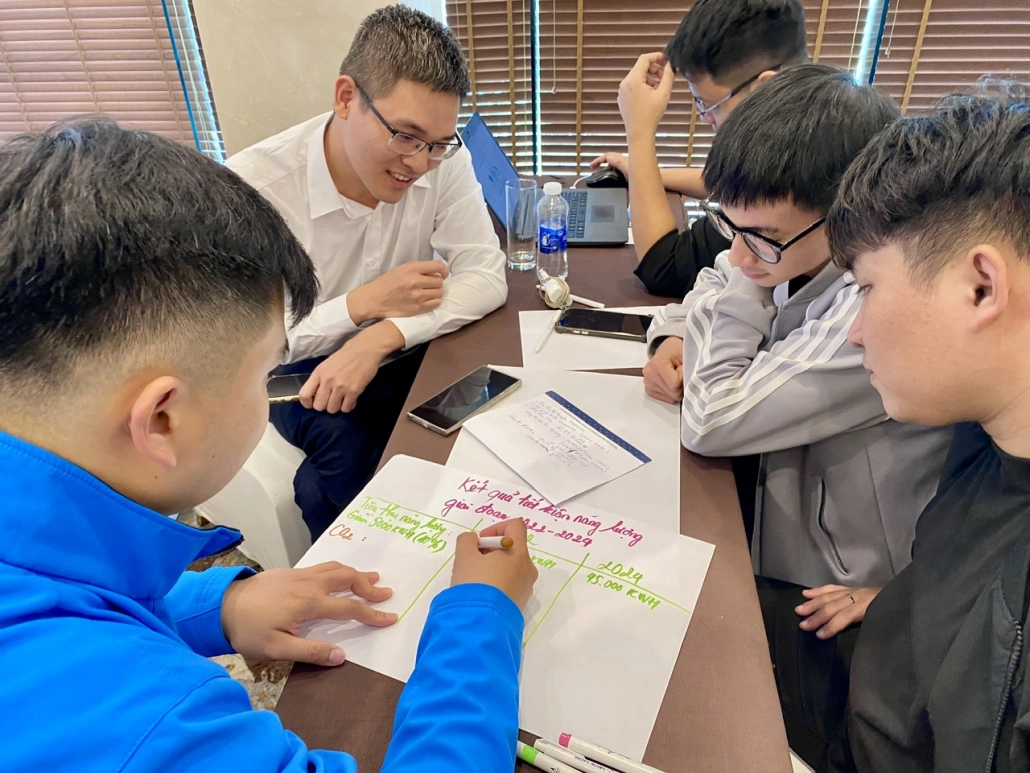
One of the highlights of the program was the direct Q&A session between enterprises and experts. Many questions relating to energy management, greenhouse gas inventory, water conservation, new legal requirements, and emission reduction solutions were discussed actively.
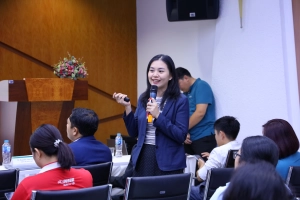
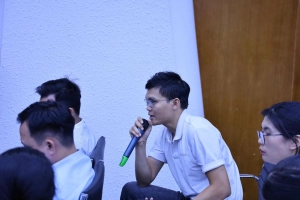
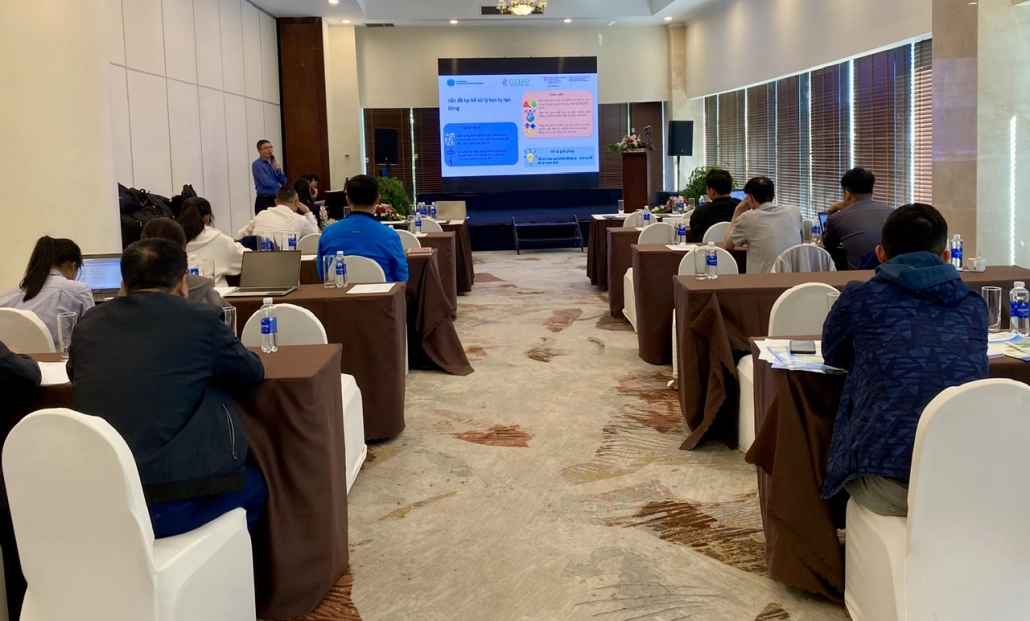
Business representatives raised numerous questions for the experts
Through practical exchanges, enterprises gained additional information, experience, and direction to gradually implement activities aimed at improving resource efficiency, reducing emissions, and enhancing production performance at their own facilities.
The workshop is one of the activities contributing to the green transition of the business community in Dong Nai, working toward sustainable development and improved competitiveness in the new context.
VNCPC