Posts

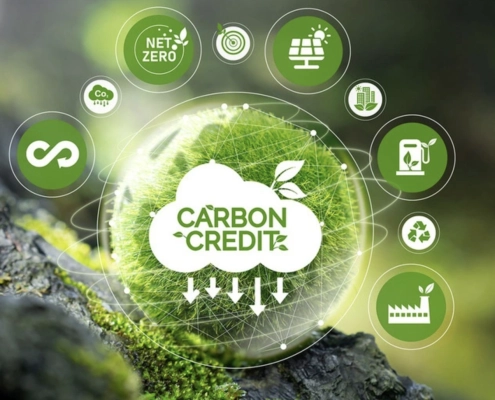
Vietnam officially launches its domestic carbon exchange
On June 29, 2026, Vietnam officially launched its domestic carbon exchange, marking a significant milestone in the development of the country’s carbon market and its transition toward a low-carbon economy.

During the pilot phase, tradable assets on the exchange include greenhouse gas (GHG) emission allowances and carbon credits. The establishment of the carbon exchange not only creates a transparent trading mechanism but also enables carbon pricing based on market principles, encouraging businesses to invest in cleaner technologies and emission reduction solutions.

What does the carbon exchange mean for businesses?

Traditionally, greenhouse gas emissions have primarily been viewed as a compliance obligation. However, with the establishment of the carbon market, emissions are no longer merely a “cost” but can become an economic asset with tangible market value.

For businesses allocated emission allowances, effective emission reduction creates opportunities to retain unused allowances or participate in carbon trading in accordance with applicable regulations. Conversely, companies exceeding their allocated limits may purchase additional allowances or use eligible carbon credits to meet compliance requirements. This market-based mechanism provides strong incentives for businesses to invest in cleaner technologies, improve energy and resource efficiency, and enhance long-term competitiveness.

With the establishment of the carbon market, greenhouse gas emissions are no longer viewed solely as a cost, but also as an economic asset with tangible value.

How should businesses prepare?

The launch of the carbon market also means that businesses need to take a more proactive approach to emissions management. Key priorities include:

  • Conducting greenhouse gas inventories and managing emissions in accordance with regulatory requirements.
  • Monitoring and improving the efficiency of energy, water and raw material use.
  • Developing practical emission reduction plans aligned with production conditions.
  • Exploring opportunities to generate carbon credits through emission reduction or carbon removal projects.
  • Gradually integrating ESG and sustainability principles into corporate strategy and business operations.

Early preparation will not only help businesses comply with emerging regulations but also strengthen their competitiveness, particularly as international markets increasingly focus on the carbon footprint of products.

New opportunities in the green transition

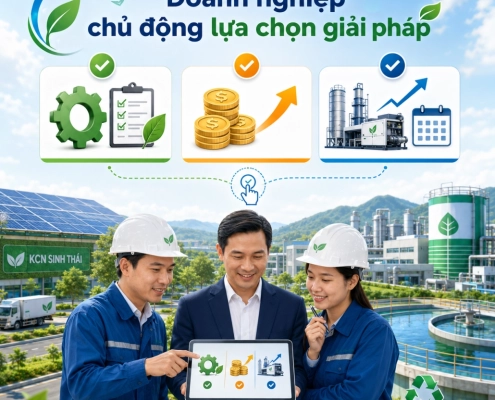
The domestic carbon exchange is an important market-based instrument supporting Vietnam’s commitment to achieving net-zero emissions by 2050. More importantly, it enables businesses to shift from a compliance-driven approach to a value-creation mindset, transforming emission reduction efforts into economic benefits and sustainable competitive advantages.

Against this backdrop, investing in solutions such as Resource Efficient and Cleaner Production (RECP), energy audits, greenhouse gas inventories, ESG implementation and Net Zero roadmaps will enable businesses not only to comply with new regulatory requirements but also to strengthen their position within increasingly sustainable global supply chains.

VNCPC

ESG and product quality: A new competitive advantage for businesses

For many years, when discussing product quality, businesses have typically focused on familiar criteria such as durability, functionality, safety, and compliance with technical standards. However, in the era of sustainable development and global integration, the concept of “quality” is evolving beyond these traditional measures.

Today, customers are no longer interested solely in whether a product performs well. They also want to know:

  • Are the raw materials sourced sustainably?
  • Is the manufacturing process resource- and energy-efficient?
  • Does the company care about its employees and the community?
  • Is the company’s governance system transparent and trustworthy?

This is why ESG (Environmental, Social and Governance) is becoming an essential factor in defining product quality from a more comprehensive perspective.

Product quality is being redefined

In the past, product quality was mainly controlled at the final stage of production through inspection and testing. Today, quality is built from the very beginning of the value chain.

A high-quality product is no longer defined only by its technical performance, but also by whether it is produced through a responsible manufacturing process that respects the environment, employees, and society.

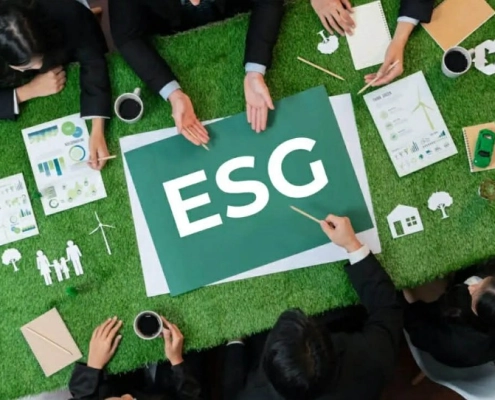
ESG is becoming an important factor that contributes to product quality from a more comprehensive perspective. Source: Internet

As a result, ESG is no longer viewed merely as a framework for reporting or corporate communications. It has become an integral part of a company’s quality management system.

ESG improves quality from the ground up

Each of the three ESG pillars is closely linked to product quality.

Environmental

Efficient use of raw materials, water and energy; reducing waste and greenhouse gas emissions; and selecting sustainably sourced materials not only minimize environmental impacts but also improve process stability and product quality.

For many businesses, initiatives such as Resource Efficient and Cleaner Production (RECP) have demonstrated that reducing waste goes hand in hand with improving product quality while lowering production costs.

Social

Providing a safe workplace, investing in employee training, protecting workers’ rights, and maintaining transparent communication with customers all contribute to producing more reliable and trustworthy products.

In industries such as food processing, textiles, electronics, and consumer goods, social responsibility has become an increasingly important criterion for international buyers.

Governance

A transparent governance system enables companies to better control production processes, manage risks, comply with regulations, and maintain consistent product quality.

It also provides the foundation for meeting increasingly stringent requirements from business partners, investors, and export markets.

Sustainable quality creates competitive advantage

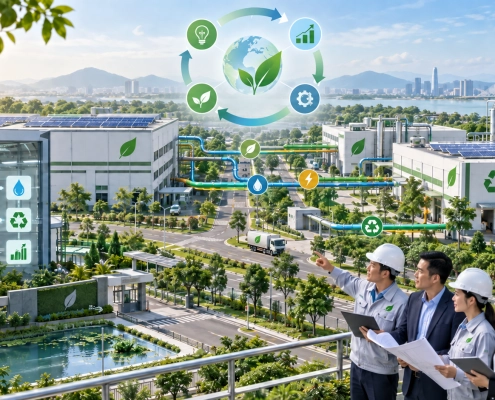
Many companies around the world have integrated ESG principles throughout the entire product life cycle—from product design and raw material sourcing to manufacturing, distribution, and end-of-life recovery and recycling. This approach not only reduces environmental impacts but also strengthens brand value and enhances customer trust.

Integrating ESG throughout the product life cycle not only reduces environmental impacts but also enhances brand value and strengthens customer trust. Source: Internet

For Vietnamese businesses, this trend is gaining momentum as more international customers require suppliers to demonstrate their commitments to environmental protection, social responsibility, and good corporate governance.

This means that competitive advantage is no longer determined solely by production costs or manufacturing capacity, but increasingly by a company’s ability to operate sustainably.

Where should businesses begin?

Implementing ESG does not necessarily require large-scale projects or significant investments.

Many companies begin with practical actions such as:

  • Assessing the current use of energy, water, and raw materials.
  • Identifying sources of waste and inefficiencies in production.
  • Strengthening quality management and product traceability.
  • Improving workplace safety and working conditions.
  • Gradually establishing a transparent governance system.
  • Developing a roadmap for greenhouse gas inventory and emissions reduction.

These improvements not only help businesses comply with ESG requirements but also directly enhance product quality, reduce operating costs, and strengthen market competitiveness.

ESG is an investment in quality and the future

As global supply chains continue to shift toward sustainability, ESG is becoming an essential component of modern corporate management.

When environmental, social, and governance principles are integrated into manufacturing processes, product quality is elevated in a more holistic way. This is not only a market requirement but also an opportunity for businesses to optimize operations, strengthen their brand, and build long-term competitive advantages.

For businesses, investing in ESG is not simply about following a new trend. It is an investment in product quality, corporate reputation, and sustainable growth for the future.

VNCPC